Neighborhood Founding and Early Residents
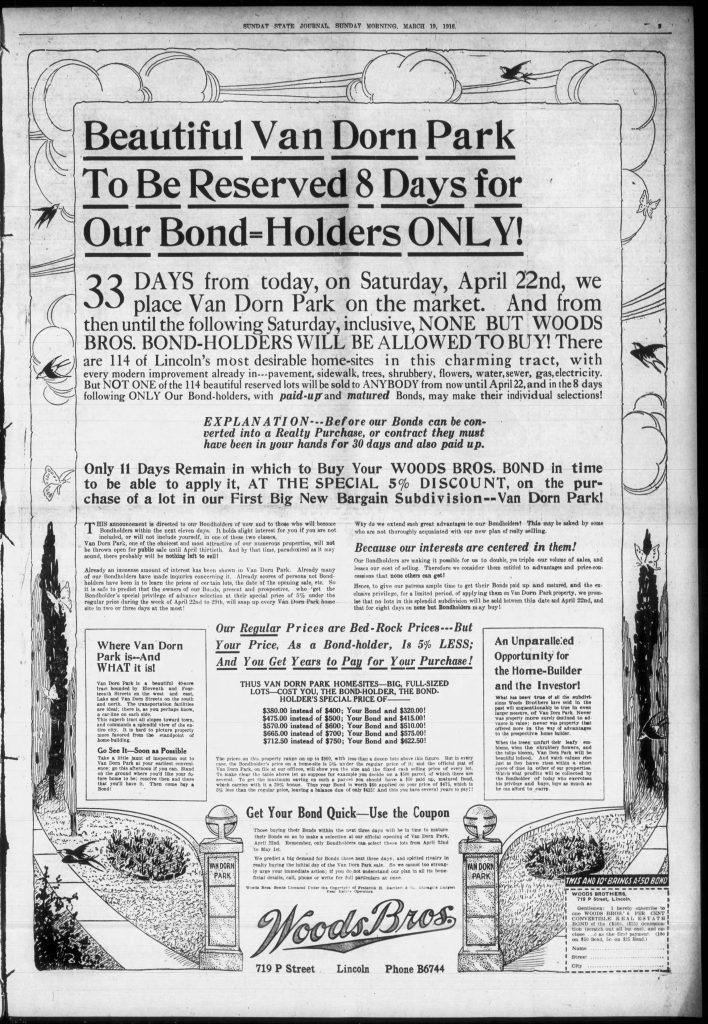
Irving was named for American author Washington Irving, whose works include “Rip Van Winkle” and “The Legend of Sleepy Hollow.” In November of 1916, Mark and Clarke Woods deeded a portion of their land in the southwest corner of Lincoln to the city. This “strip of ground” as worded in the official deed, eventually would become one of Lincoln’s oldest parks.
From 1916 until 1923, the little neighborhood land was called Van Dorn Park. However, in 1923 the park was closed due to little community interest. Six years later, the park was reopened with a facelift and a new name. Three junior high girls–Edith McMahon, Clarissa Bennett, and Helen Boyd–named the new park Irvingdale. The new park reopened in October of 1929.
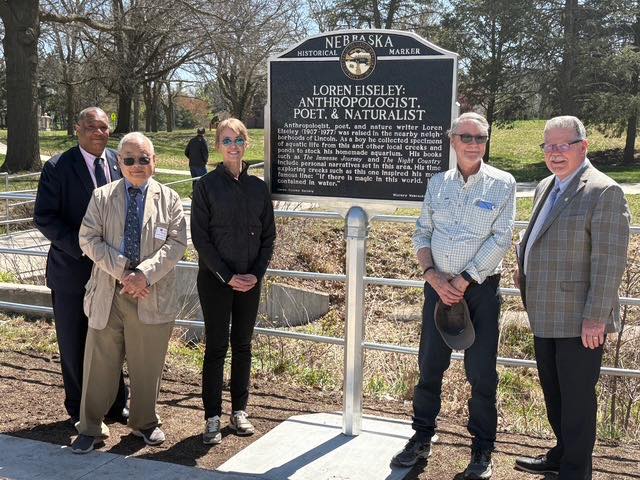
During this period of the early 20th century, one of the more famous residents of the neighborhood grew up, nature writer Loren Eiseley. During his childhood, he spent a large amount of time exploring the ponds (now found at the Lincoln Country Club), and streams (the most prominent now named Eiseley Creek) of the surrounding areas. His interest in natural history led him to be renowned Anthropologist and Palentologist. A historical marker can be found in Irvingdale Park.
City Press Release
Nebraska Examiner Article
Loren Eiseley Society
Historical Buildings
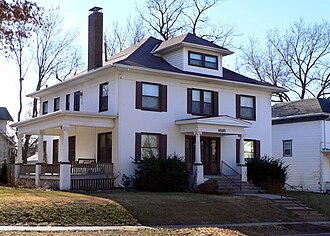
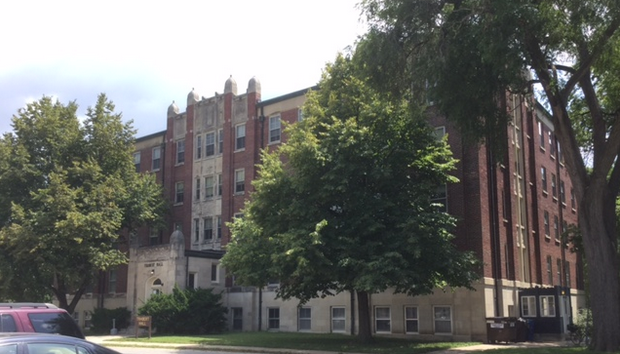
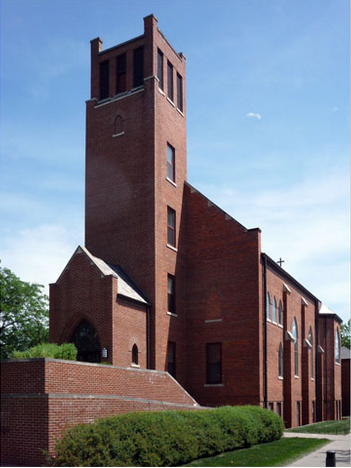
There are a number of registered historical buildings in the neighborhood, the Ryons-Alexander House, Trabert Hall of St. Elizabeth’s Hospital, and the St. Francis Chapel are all registered on the U.S. National Register of Historic Places.
Ryons-Alexander House and Designation Docs
Trabert Hall and Designation Docs
St. Francis Chapel and Designation Docs
For more information about buildings and areas designated as historical, visit the city’s website for a comprehensive list. HERE
Our Parks
The Irvingdale Neighborhood is home to three wonderful parks, creating a network of winding trails and green space. Much time and energy has been spent maintaining and improving the parks, by both residents, the city, and other government and non-government entities.
The parks are home to a variety of wildlife, including foxes, rabbits, squirrels, numerous songbirds and waterfowl, snapping turtles, raccoons, bats, and the occasional coyote. We aim to live alongside our animal friends, so please refrain from harassing wildlife, and call animal control for any problem animals. Some evenings, you can witness flocks of chimney swifts as they roost in the Irving Middle School tower.
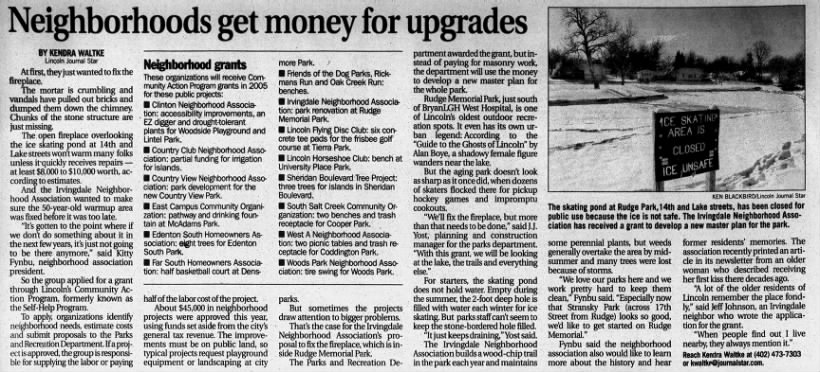
In the early days of the Neighborhood Association, mulch would be spread along the walking trails through Irvingdale and Rudge parks. In 2020-2022, the City received a federal grant to create a network of trails, and to improve the continuity of the parks.
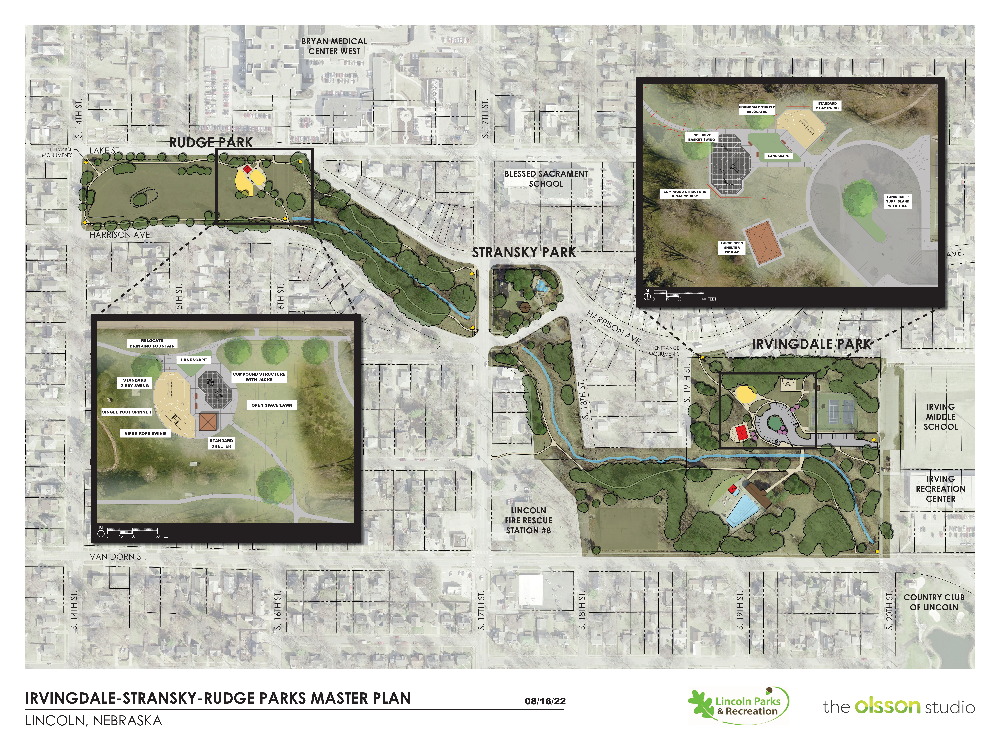
The parks are part of the South Salt Creek watershed, with Eiseley Creek running through the center of both Irvingdale and Rudge Parks. In March 2012, the City and the Lower Platte South Natural Resource District (NRD) created a watershed master plan, which included our neighborhood.
One of the outcomes of this plan was the bank stabilization in Irvingdale Park.
Most recently, in 2025, the Irvingdale Neighborhood Association participated in the planning and execution of a bank cleanup, which included the removal of the invasive Tree of Heaven that had become established along the banks.